Get Drainage Pump Installation
Drainage pump installation services help property owners solve water removal issues by installing pumps for basements, yards, or drainage systems through skilled local contractors.
If you are considering drainage pump installation for your property, you are in the right place to begin exploring your options. Proper drainage is essential for managing excess water, preventing flooding, and maintaining the integrity of your landscape and foundation. Property owners in the area often look into drainage solutions to protect their investments and ensure a safe, functional outdoor environment. By reviewing local contractors experienced in drainage pump services, you can compare approaches and find the right fit for your project needs.
Continuing to learn about drainage pump installation can help you make informed decisions as you plan your property improvements. Many local service providers offer a range of solutions tailored to different property types and water management challenges. Connecting with experienced contractors can provide clarity on the options available and support a successful project that addresses your specific drainage concerns. Keep reading to discover how local pros can assist with your drainage needs.
- Basement or crawl space flooding - homeowners may need drainage pump installation to prevent water accumulation during heavy rains.
- Construction or renovation projects - new building developments often require drainage systems to manage excess groundwater.
- Landscape drainage issues - property owners seeking to improve yard drainage and prevent soil erosion might need professional pump setup.
- Stormwater management upgrades - municipalities or businesses may require drainage pumps to handle increased rainfall runoff.
- Sewage or wastewater removal - facilities needing efficient removal of wastewater may rely on drainage pumps installed by local contractors.
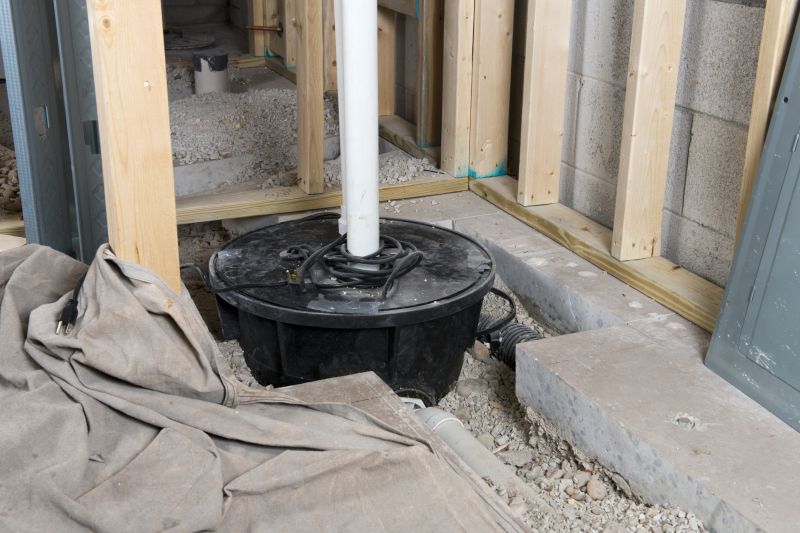
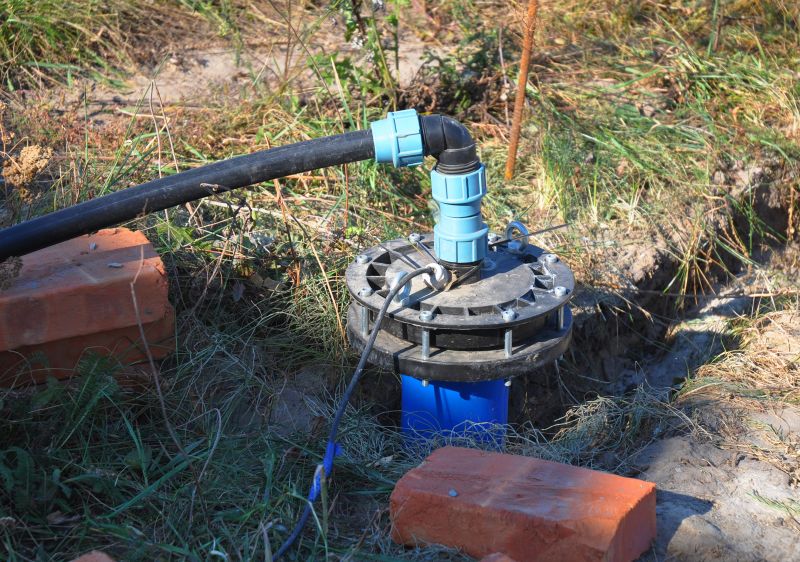
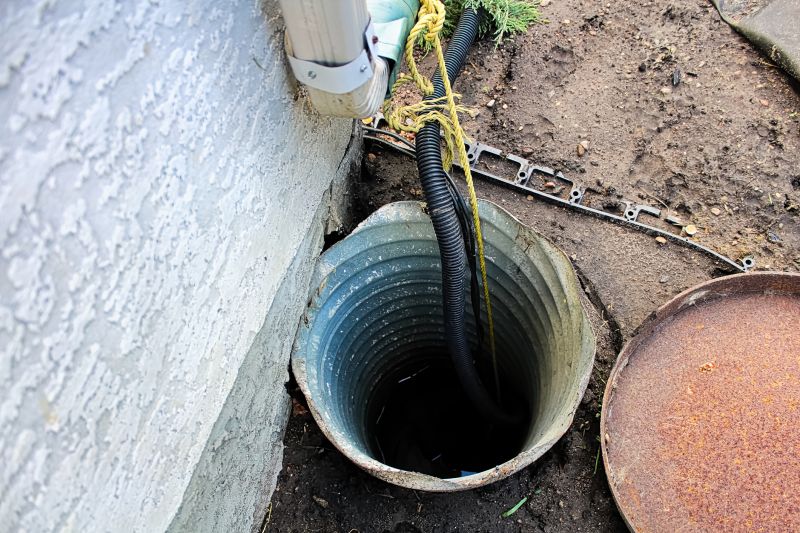
Drainage pump installation services involve setting up specialized equipment designed to move excess water away from a property. This process typically includes assessing the property’s drainage needs, selecting the appropriate type of pump, and installing it in a strategic location to ensure efficient water removal. Proper installation is essential to prevent issues like water pooling, basement flooding, or foundation damage, especially in areas prone to heavy rainfall or poor natural drainage. Skilled contractors ensure that the pump system is correctly connected to existing drainage pathways and that it functions reliably to protect the property during storms or periods of heavy water accumulation.
These services help resolve common drainage problems that can cause significant property damage and inconvenience. For example, properties with low-lying areas or uneven terrain may experience frequent water accumulation, leading to soggy lawns or waterlogged basements. Poor drainage can also result in erosion around the foundation, creating long-term structural concerns. Installing a drainage pump can alleviate these issues by actively removing excess water, reducing the risk of flooding, and maintaining a dry, stable environment. Service providers can evaluate the specific water management needs of a property and recommend the right pump system to address these challenges effectively.
Drainage pump installation is often sought by homeowners dealing with persistent water issues, especially in properties that experience frequent or severe flooding. It is also common for those constructing new homes or undertaking renovations in areas with poor natural drainage to incorporate these systems into their plans. Commercial properties, such as retail stores, warehouses, or apartment complexes, may also use drainage pump systems to manage stormwater or groundwater, ensuring their premises remain accessible and safe. Regardless of property size or type, a properly installed drainage pump can be a critical part of an effective water management strategy, helping to protect the property’s value and integrity.
When considering drainage pump installation, it is important to work with experienced local contractors who understand the specific drainage challenges of the area. These professionals can evaluate the property’s landscape, water flow patterns, and existing drainage infrastructure to recommend the most suitable pump system. They handle all aspects of installation, ensuring the system is correctly set up and integrated with existing drainage solutions. By choosing qualified service providers, property owners can ensure their drainage systems are reliable and effective, providing peace of mind during heavy rains and helping to maintain the property's safety and stability over time.
The overview below groups typical Drainage Pump Installation projects into broad ranges so you can see how smaller, mid-sized, and larger jobs often compare in your area.
In many markets, a large share of routine jobs stays in the lower and middle ranges, while only a smaller percentage of projects moves into the highest bands when the work is more complex or site conditions are harder than average.
Smaller Repairs - Typical costs for minor drainage pump repairs or replacements usually fall between $250 and $600. Many routine jobs in this range are completed without complications, though prices can vary based on specific parts and accessibility.
Standard Installation - Installing a new drainage pump in a standard residential setting generally costs between $1,000 and $3,000. Most projects in this category are straightforward, with fewer cases reaching the higher end due to additional site preparation or equipment needs.
Full System Replacement - Replacing an entire drainage system or upgrading to a higher capacity pump can range from $3,500 to $7,000 or more. Larger, more complex projects tend to push into the higher tiers, but many replacements stay within the middle of this range.
Complex or Custom Projects - Custom drainage solutions or extensive installations can exceed $10,000, particularly for large-scale or specialty setups. These projects are less common and typically involve specialized equipment or challenging site conditions.
Actual totals will depend on details like access to the work area, the scope of the project, and the materials selected, so use these as general starting points rather than exact figures.
Basement Waterproofing Projects - these projects involve installing drainage systems and pumps to prevent water intrusion and manage excess moisture effectively.
Stormwater Management Systems - designing and installing systems to control runoff and direct water away from properties, requiring similar planning and equipment as drainage pump setups.
Sump Pump Installations - involves installing pumps to remove accumulated water from basements or crawl spaces, sharing skills in pump selection and system integration.
Flood Prevention Systems - these projects include installing barriers and drainage solutions to protect properties from flooding, often requiring drainage pump knowledge.
Drainage System Repairs - restoring or upgrading existing drainage infrastructure, which involves understanding of piping, pumps, and water flow management.
Septic System Drain Field Installation - designing and installing drain fields that require precise planning and understanding of water dispersal, similar to drainage pump projects.
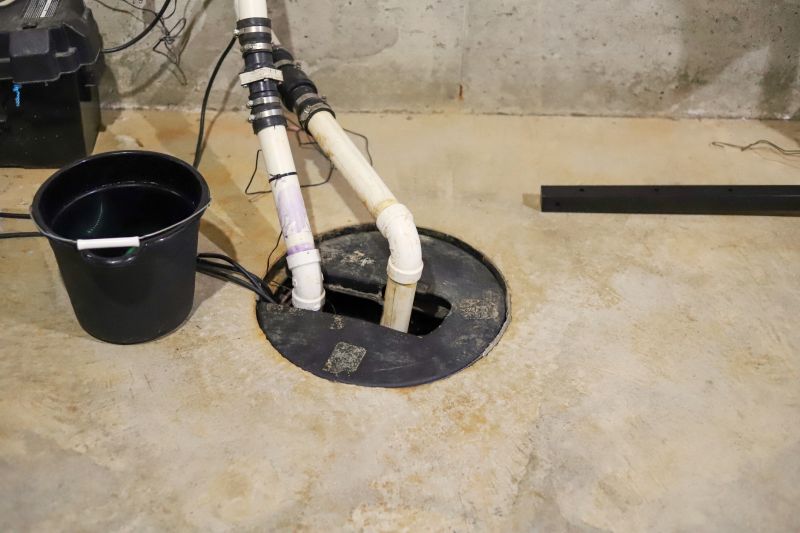
When evaluating potential service providers for drainage pump installation, it’s important to consider their experience with similar projects. Homeowners should inquire about the types of drainage systems they have worked on and whether they have handled projects comparable in scope and complexity. A contractor’s familiarity with local soil conditions and drainage challenges can also be a valuable indicator of their ability to deliver effective solutions tailored to the specific needs of the property.
Clear written expectations are essential to ensure a smooth working relationship and satisfactory results. Homeowners should seek detailed descriptions of the services offered, including the scope of work, materials used, and any warranties or guarantees provided. Having these details in writing helps prevent misunderstandings and provides a reference point throughout the project, making it easier to evaluate the quality and professionalism of the service provider.
Reputable references and good communication are key factors when choosing a drainage pump installation contractor. Asking for references from previous clients can provide insights into the contractor’s reliability, work quality, and ability to meet deadlines. Additionally, service providers who communicate clearly and promptly can help clarify project details, answer questions, and address concerns effectively. While this site introduces homeowners to local options, it does not perform the work itself, emphasizing the importance of thoroughly researching and comparing local contractors to find the best fit for the project.
Property owners use Drainage Pump Installation services for practical projects around their homes and businesses. This guide focuses on everyday jobs and straightforward project options.
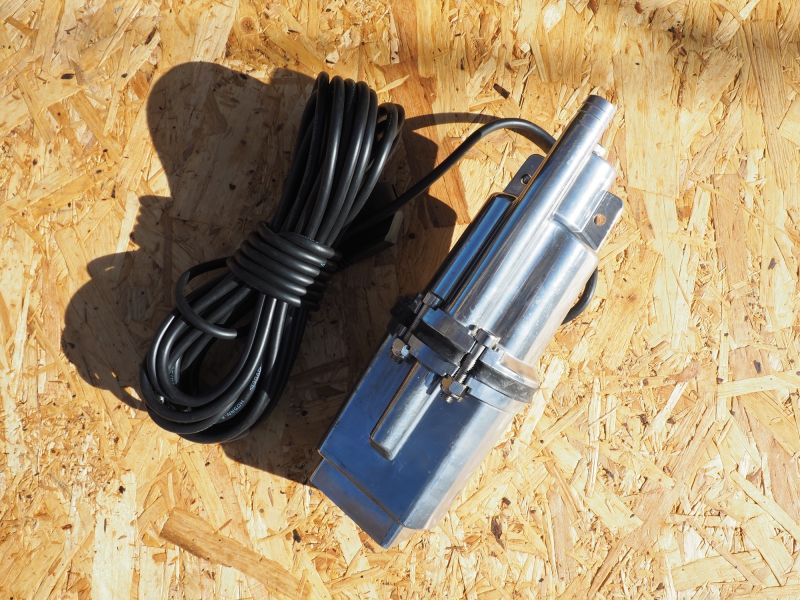
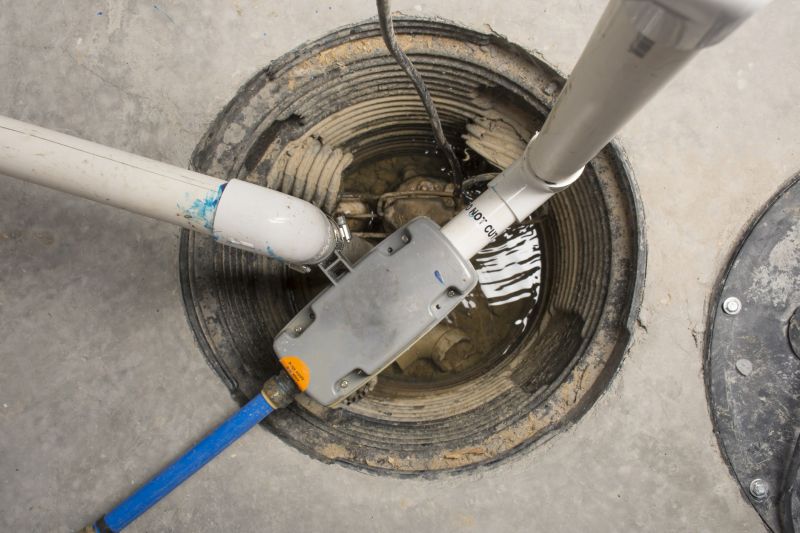
Drainage pump installation services are often sought after when property owners face issues with excess water accumulation around their homes or businesses. Heavy rainfall, poor drainage design, or aging infrastructure can lead to flooding or water pooling in basements, yards, or driveways. Local contractors specializing in drainage solutions can help install reliable pump systems to manage water flow effectively, helping to prevent water damage and maintain a dry, safe property environment.
Property owners may also look for drainage pump installation when planning new construction or renovations that require effective water management. Whether installing a sump pump to protect a basement or upgrading existing drainage systems, local service providers can assess individual needs and recommend suitable equipment. These professionals ensure proper installation to keep water away from foundations, reduce the risk of flooding, and improve overall property resilience against water-related issues.
What are drainage pumps used for? Drainage pumps are used to remove excess water from areas such as basements, yards, or construction sites to prevent flooding and water damage.
How do I know if a drainage pump is needed? A drainage pump may be needed if there is persistent water accumulation or flooding in a specific area that cannot drain naturally.
What types of drainage pumps are available? There are various types of drainage pumps, including submersible pumps and sump pumps, suitable for different drainage needs and environments.
Can local contractors install drainage pumps in existing systems? Yes, many local service providers can handle installation and integration of drainage pumps into existing drainage systems.
What is involved in the installation process? Installation typically involves positioning the pump correctly, connecting it to power sources, and ensuring proper drainage outlet connections are secure.
Drainage Pump Installation - Helps property owners manage excess water around foundations and prevent flooding during heavy rainfalls.
Basement Waterproofing - Supports removing accumulated water from basements to protect interior spaces and improve dryness.
Yard Drainage Solutions - Assists in directing surface water away from walkways and landscaping to avoid pooling and erosion.
Flood Prevention Systems - Enables installation of pumps that safeguard properties from water intrusion during storms.
If you are thinking about Drainage Pump Installation for a property, this guide is meant to help you understand the work, the typical project types, and how different options might fit your plans.
When you are ready, you can use the quote form on this page to share a few details about your project. From there, local pros can review the basics and respond with options that match what you have in mind.